15th February 2026
The Foundation of True Color Accuracy

What Is CRI?

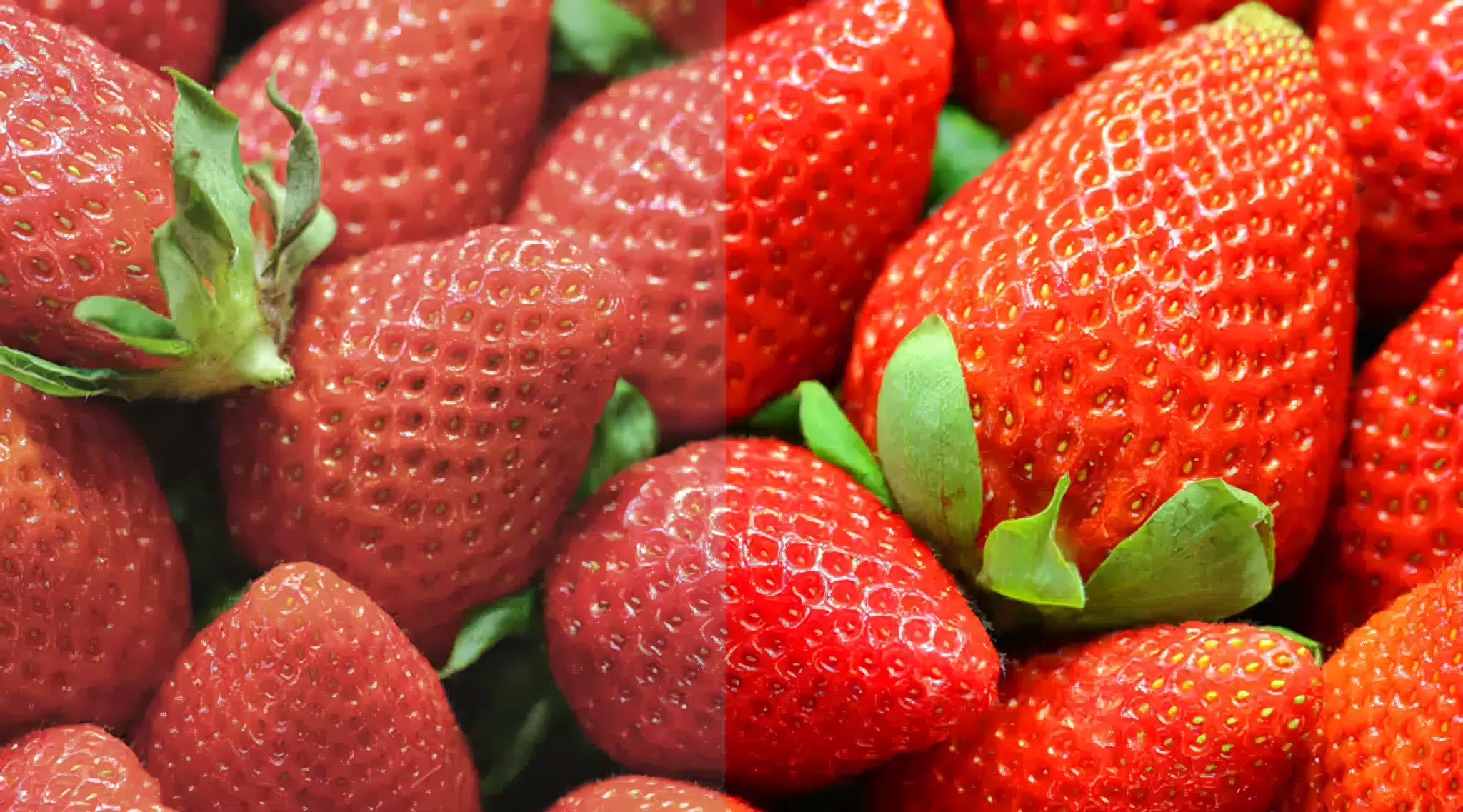
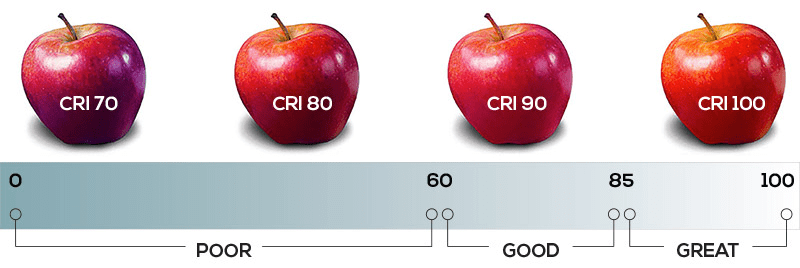
CRI, or Color Rendering Index, measures how accurately a light source reveals the true colors of objects compared to natural daylight. The scale ranges from 0 to 100.

The higher the CRI, the more natural and accurate colors appear.

  • CRI 80–89: Good (standard commercial applications)
  • CRI 90–95: Very good (premium environments)
  • CRI 95+: Exceptional color fidelity

In professional lighting projects, CRI is not just a technical specification it is a critical factor in achieving refined visual quality.

CRI (Color Rendering Index)

Why CRI Matters in Lighting Design

1. Retail & Jewelry Spaces

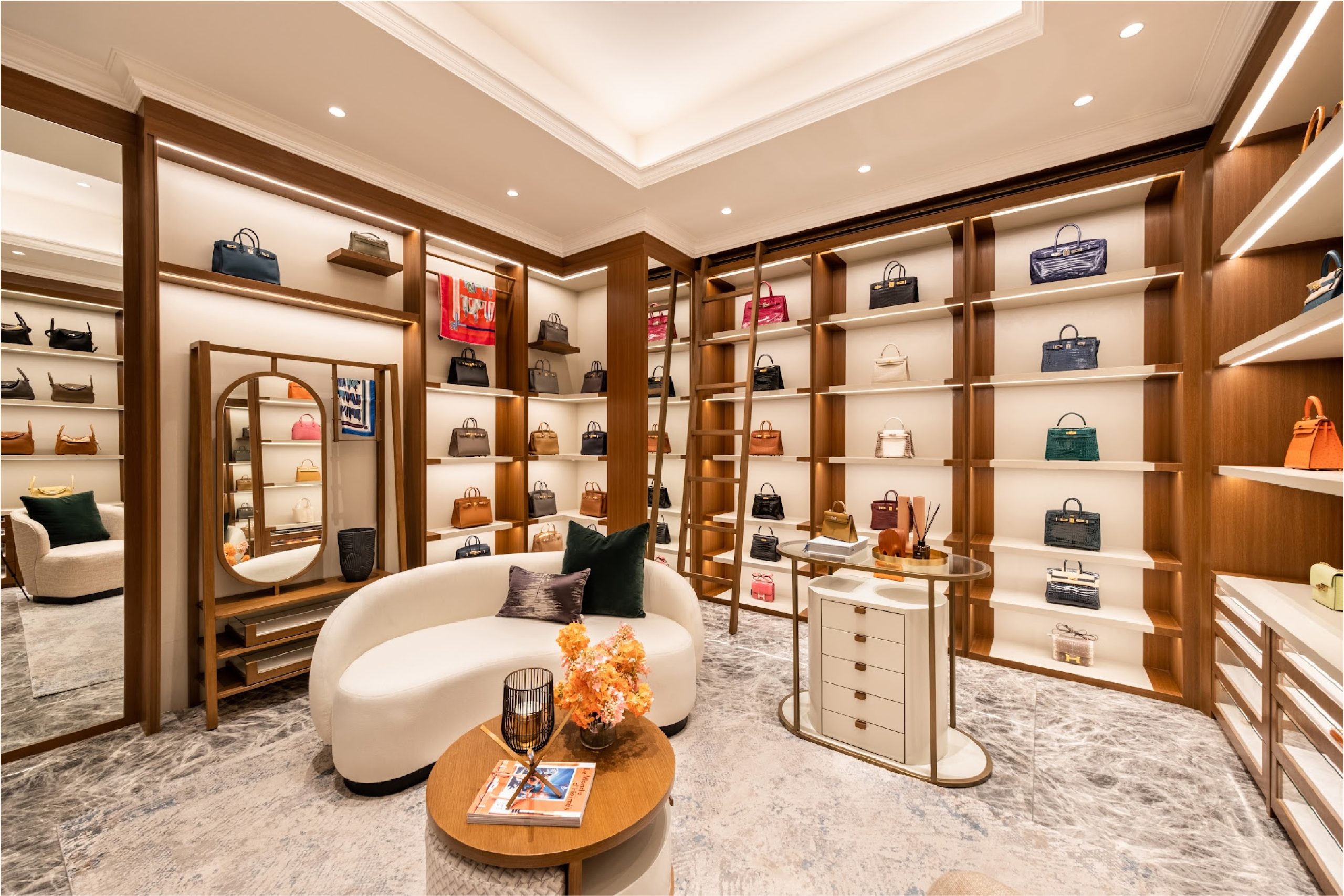
In boutiques, showrooms, and jewelry stores, color accuracy directly influences perceived product value. Low CRI lighting can make colors appear dull, muted, or distorted reducing the impact of carefully curated merchandise.

At MKMP Lighting, we recommend CRI 90+ for premium retail environments to ensure every texture and color is presented at its finest.

Belle&Kate retail lighting by MKMP.

2. Residential Interiors

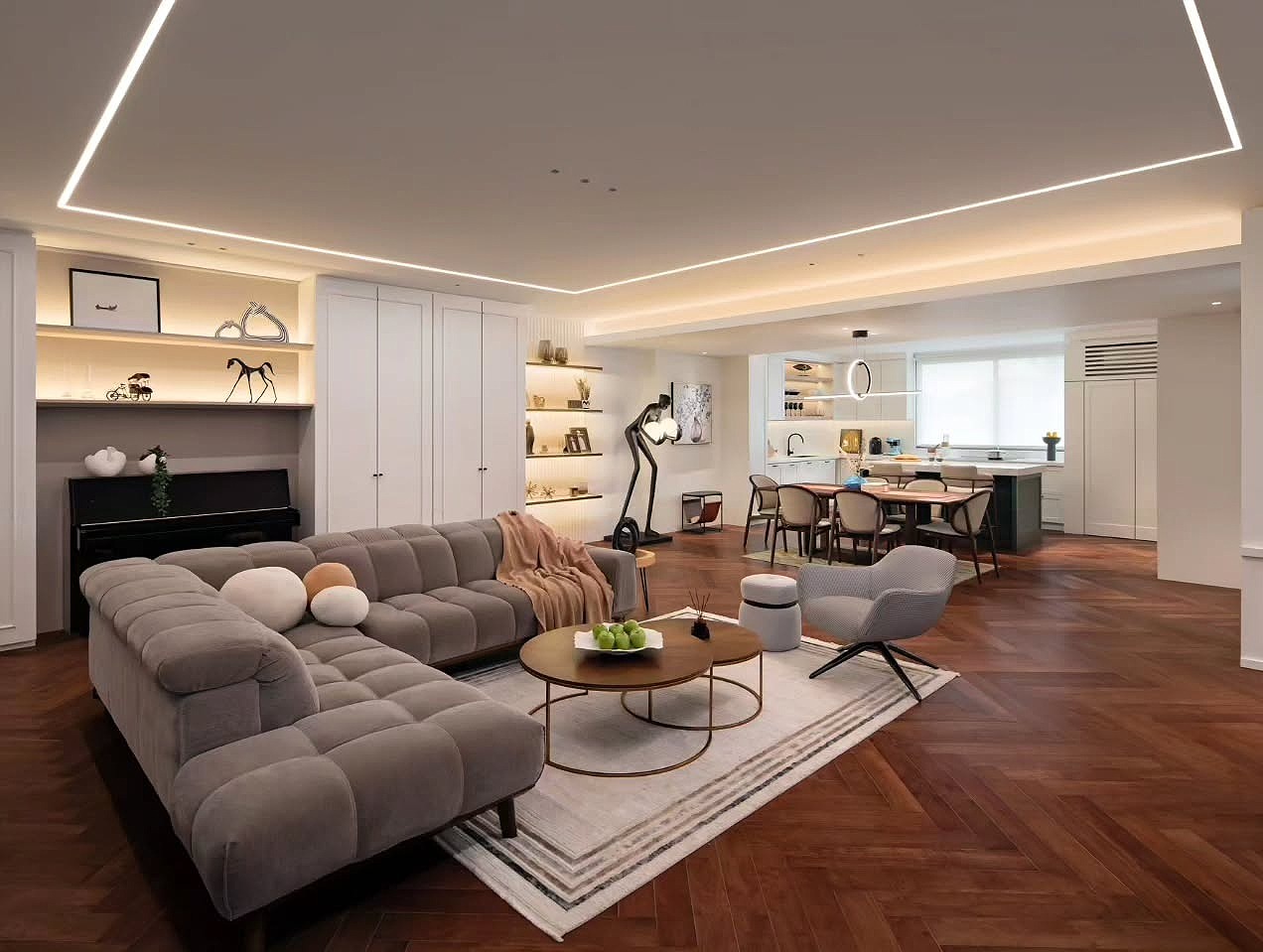
Within residential spaces especially wardrobes, kitchens, and vanity areas high CRI lighting ensures clothing tones, food presentation, and skin complexion appear natural and trustworthy.

Lighting should support daily life without compromising visual clarity.

AK House residential lighting by MKMP.

3. Hospitality & Commercial Environments

Hotels, restaurants, and corporate spaces rely on consistent visual comfort. High CRI lighting enhances ambiance, elevates material finishes, and contributes to a more sophisticated atmosphere.

When color integrity is maintained, the overall spatial experience feels more refined and intentional.

Amanjiwo hospitaly lighting by MKMP.

CRI vs. Brightness: A Common Misconception

Brighter does not always mean better.

Brightness (lumens) measures the quantity of light, while CRI measures quality. A highly bright source with poor CRI may wash out colors or create a flat appearance. Conversely, lighting with high CRI can enrich textures and bring depth to materials even at softer intensity levels.

In a comprehensive lighting strategy, CRI must be considered alongside color temperature, beam angle, light distribution, and spatial layering.